When the Mission Field Is Next Door
“You want me to go where?”
That was my honest reaction when my dean asked me to lead the next transcultural trip for our nursing students. South Dakota didn’t sound nearly as exciting as the places I had imagined we would be going.
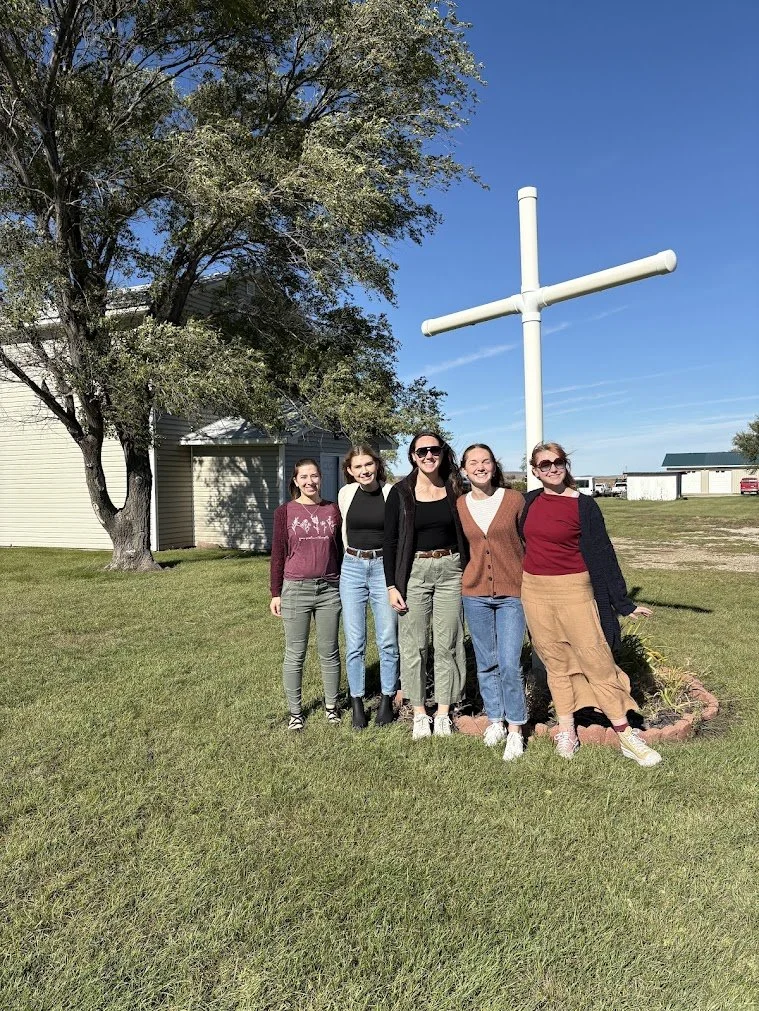
I’ve traveled many times with Living & Learning International, most notably to Ecuador and Spain. These are places that naturally come to mind when we think of study abroad, and I was expecting another international place, like Kenya or Thailand. So when the destination turned out to be South Dakota, our neighbor to the west of Minnesota, I paused. This would be the first time for our nursing program, and for Living & Learning, to venture into this region. No passports. No international flights. Just five nursing students, a long drive, and a week spent on and around the Standing Rock Reservation.
And yet, it became one of the most meaningful learning experiences I’ve ever been part of.
I have never worked in rural health, but I have been a customer of it. I grew up in a small town in Minnesota, and I knew what it meant to rely on small hospitals and limited resources. I have friends who work in rural facilities where the nearest specialist is an hour away on a good day. I have friends who serve on first response teams because the nearest ambulance is at least thirty minutes out, assuming there are no other calls. Rural health isn’t theoretical to me; it’s personal.
For my students, however (all of whom live and work in urban Minnesota), this was a completely new world.
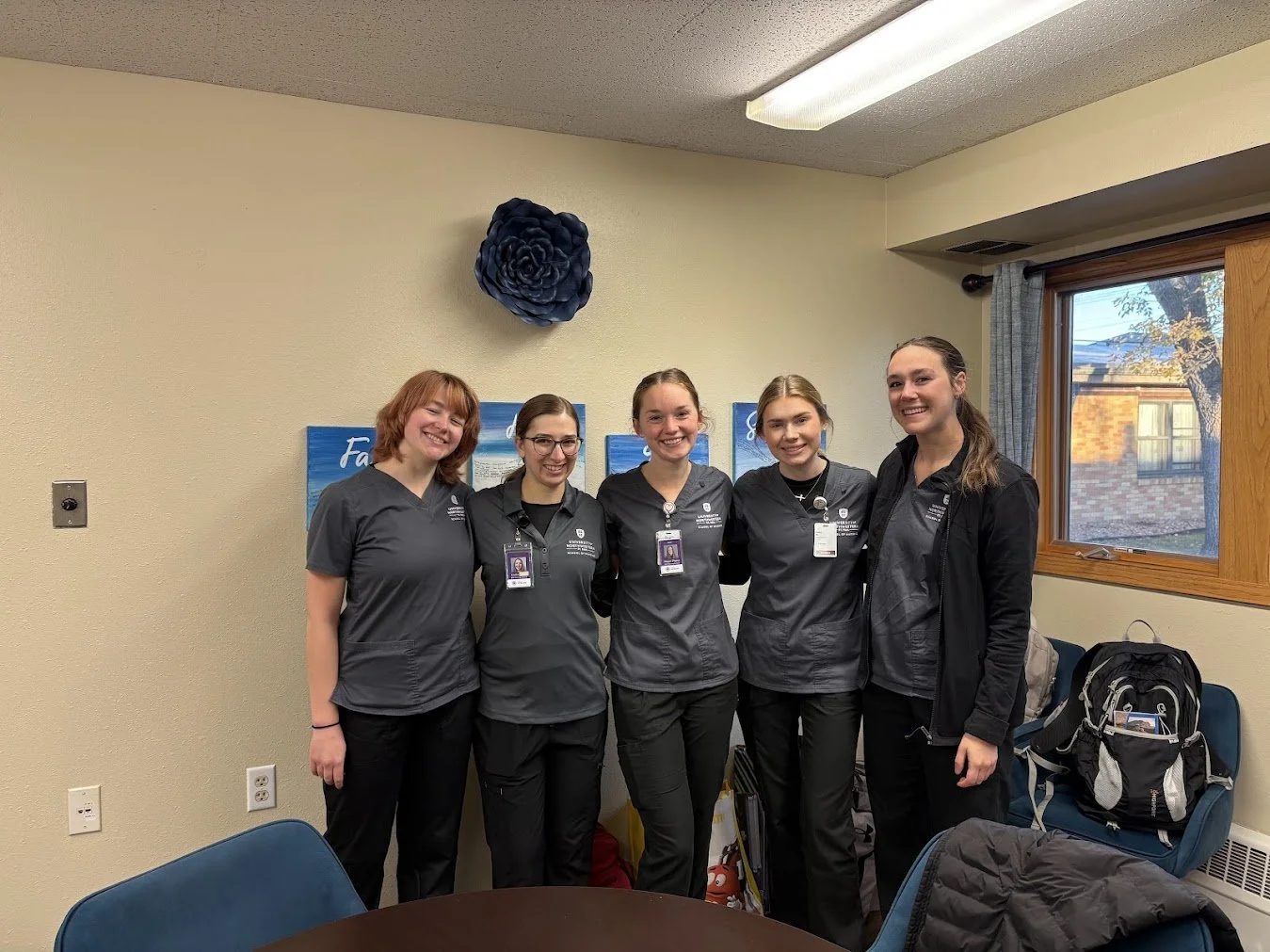
What we encountered echoed lessons I’ve seen on international trips: systemic injustice, poverty, health disparities, and limited access to care. Different geography, same broken systems. The same barriers. The same need for trust, dignity, and presence.
In the hospital we worked in, every nurse was cross-trained. They could work wherever they were needed. Not because the wanted to, but because they had to. They knew their patients, not just by diagnosis, but by name and story. The long-term care facility stood as a testament to community advocacy. When it was at risk of closing, the town rallied together to save it. They understood what losing it would mean.
And then there was the clinic.
One nurse. One provider. One receptionist. Two exam rooms.
That clinic nurse must be prepared for anything that walks through the door. She is a teacher, caregiver, advocate, and emergency responder, often all within the same hour. Her critical-thinking skills are off the charts. Watching her work was a master class in nursing judgment, adaptability, and quiet leadership.
Throughout the week, our students learned far more than clinical skills. They learned how to listen. How to sit with stories shaped by history, injustice, and resilience. How to care for people who many not have the money, access, or trust to seek care elsewhere. We prayed with and for those who where hurting. We learned that presence itself can be healing.
“Carry each other’s burdens, and in this way you will fulfill the law of Christ.” Galatians 6:2.
Caring for others, especially those who are vulnerable, is sacred work. It is holy ground to be invited into someone’s story, even briefly. I watched students step out of their comfort zones, learn how to work together, and discover what leadership looks like when there is no safety net.
This trip quietly reframed what mission means.
Yes, some are called to serve overseas, and that calling matters deeply. But we were reminded that there is also profound ministry to be done right where we are. In our neighboring states. In rural communities. With the person across the street. With the coworkers we see every day. With the students sitting beside us in class.
“Do not withhold good from those to whom it is due, when it is in your power to act.” Proverbs 3:27.
We are called to serve where we are.
Standing Rock taught us that transcultural learning doesn’t always require crossing an ocean. Sometimes it requires crossing assumptions. Sometimes it means slowing down long enough to truly see communities that have always been there. Often overlooked, often underserved, and always worthy of care.
I am grateful to Living & Learning for being willing to step into something new, and for trusting that abroad can sometimes mean just a few hours down the road. I am grateful for students who said "yes." To discomfort, to learning, and to serving. Because when we care for others, wherever we are, we glimpse the heart of God. And that kind of learning changes us forever.
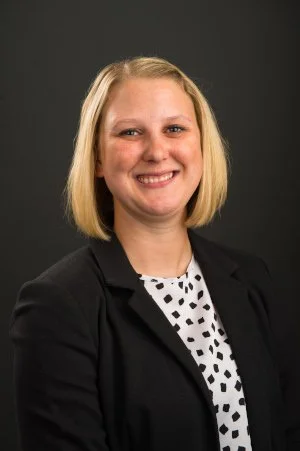
Author Bio:
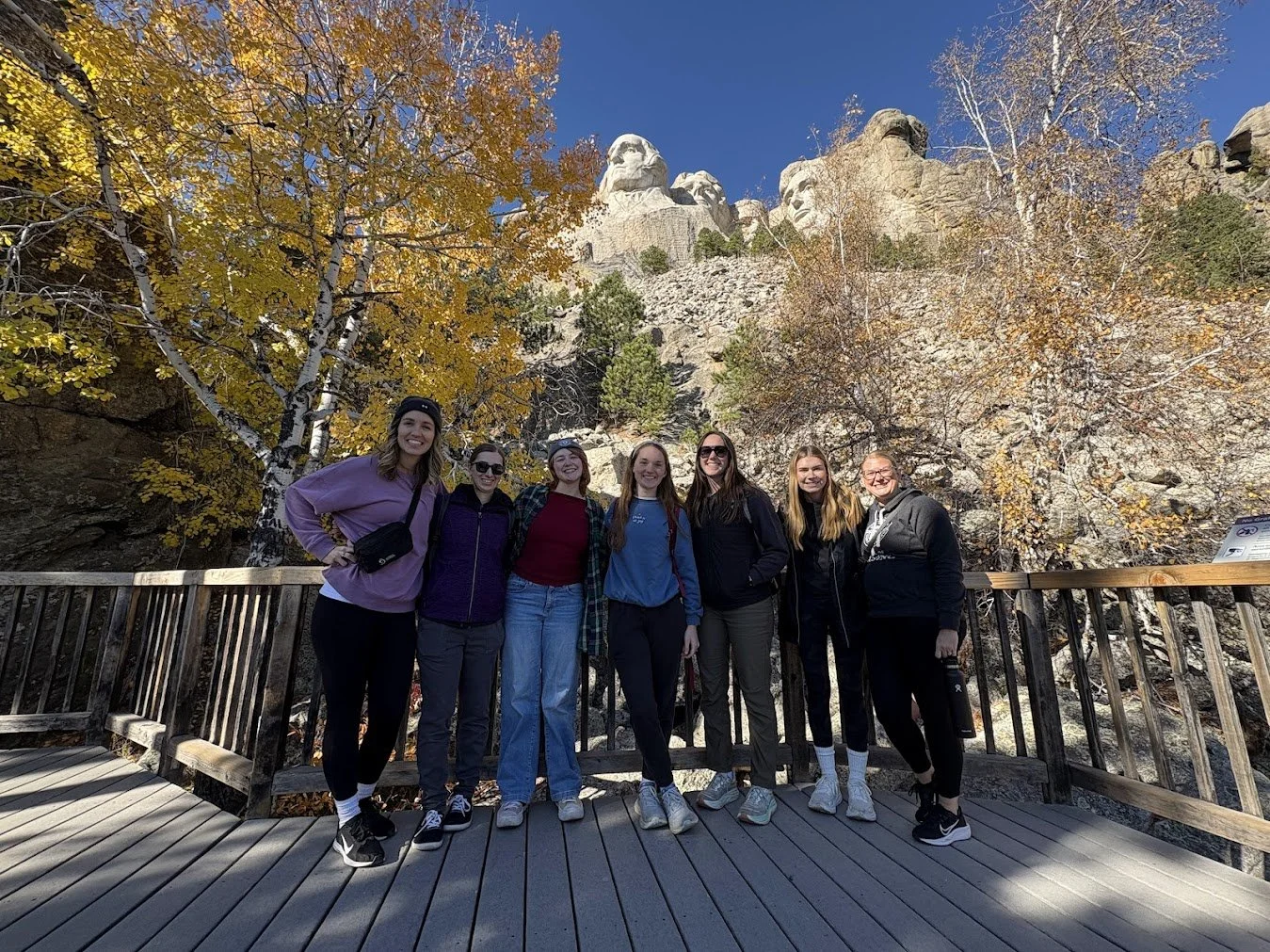
Janelle L. Theisen is an Assistant Professor of Nursing at University of Northwestern – St. Paul. She has worked at UNW for 11 years and has partnered with Living & Learning for many years, having gone on several transcultural nursing trips. Professor Theisen says, "I love seeing when students are passionate about their field, and seeing them grow in the context of study abroad."